
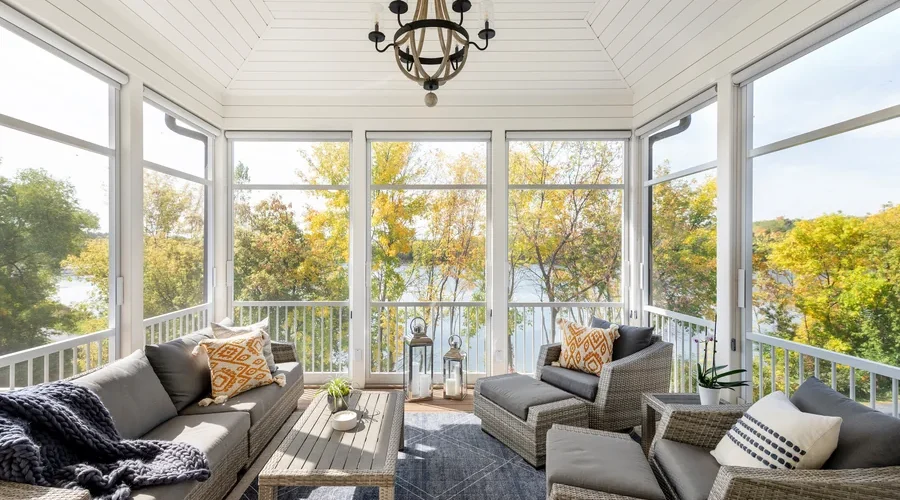
Why Add a Screened Porch?
Screened porches provide the best of both worlds: the comforts of indoors and the greater experience of outdoors. It gives homeowners access to fresh air and natural light while protecting them from insects, UV rays, and unexpected rain. They can be used for family gatherings, quiet mornings with coffee, and evening relaxation.
Ultimately, a screened porch is a perfect place to create a multi-functional living space and increase resale value in your home.
When planning any addition, consider design, longevity, and labor. Many homeowners contact screen porch contractors in Charlotte for help to make sure things are built with quality materials and skill. Collaboration with contractors can help realize a shared vision and add to the longevity of the space as an entertainment and relaxation area.
Materials and Design Options for Screened Porches
A screened porch can be constructed from many materials including wood, aluminum, composite and insulated roofing. Wood is typically a popular choice due to its warmth and ability to match many styles. Aluminum and composite materials are low maintenance choices. The framing should complement the home and be able to withstand the elements of the particular region. Most roof styles are available including, open gabled, cathedral, and shed roofs. Open roof styles can create an open feeling. Modern screen systems have increased durability along with windows, doors, and UV control. Insulated roofs and solar screen materials can also help manage temperature and reduce glare.
Step-By-Step Planning Guide
- Set your goals: Determine the intended uses of the space including dining, entertainment, reading and working from home.
- Measure your space and research your zoning: It is very important to know the physical footprint of your addition and what local permitting is required.
- Select a foundation: Each of the three foundation options (deck, piers, or poured slab) has different durability and cost characteristics.
- Select doors, lights, and power: Decide early on about electrical outlets, ceiling fans, or lighting, as it’s easier to install them initially on drywall than later.
- Obtain the necessary permits: Always comply with local codes and make sure to obtain any approvals for building permits before you start construction.
Properly planning your concepts and plans will facilitate the building process, increase productivity on time, and minimize surprises.
Weather and Climate Considerations
The design of a screened-in porch requires consideration of your local climate conditions. The protection of your investment requires solid roofing and quality gutters when you live in areas with rain or snow because they prevent leaks. The combination of ceiling fans with vented roofs and solar screens provides thermal comfort and air movement, making screened-in porches comfortable in hot and humid climates. Homeowners who live in cooler climates can use their porches during spring and fall seasons through storm panel removal or built-in heating systems.
The lifespan of your screened-in porch will increase when you protect it from weather elements by performing gutter cleaning and inspecting snow and wind damage.
Budgeting for Your Project
- While pressure-treated wood remains a lower-cost initial choice, composite, vinyl, and metal decking will last longer and save money over time.
- Although you will save some money with DIY work and pay less for simple designs, more complex designs may require the initial cost of hiring a professional to ensure you meet your local building codes.
- In addition to the cost of fencing, be sure to budget for the cost of local building processes, which will include permits and design fees.
- The cost will rise as you customize your finished product by including features such as doors, electrical lights, and ceiling fans; yet these features will further establish your comfort and style.
The cost of professionally screened porch additions starts at $10,000 and extends to $30,000+ based on size, finishes and site complexity. Your investment return will be maximized when you plan carefully and select materials thoughtfully to stay within budget.
Maintaining Your Screened Porch for Longevity
Having regular upkeep on your screened porch keeps it as pleasant as the day you built it. The list of maintenance work can vary:
- Cleaning all the screens and frames to remove mold and mildew is crucial for humid areas.
- Looking for rips in the screens; fasteners that have loosened or are missing fasteners; damaged wood – a great time to inspect the wood is at the start of each season.
- Repaint or re-stain all exposed surfaces at least once a year for surface protection from the elements and curb appeal.
- Inspect foundations, roofs, and gutters after any storm to discover damage before it becomes a concern.
Proper maintenance can lengthen the life of your porch and guarantee that it will continue to provide pleasure and value for years to come.
Conclusion
A screened-in porch allows you to create a backyard space that serves as a comfortable everyday area while boosting your property value. Working with professionals, careful planning and maintenance will allow you to benefit from the best aspects of outdoor living while enjoying comfort and style. Start your outdoor space development today to create a central hub for your home.