
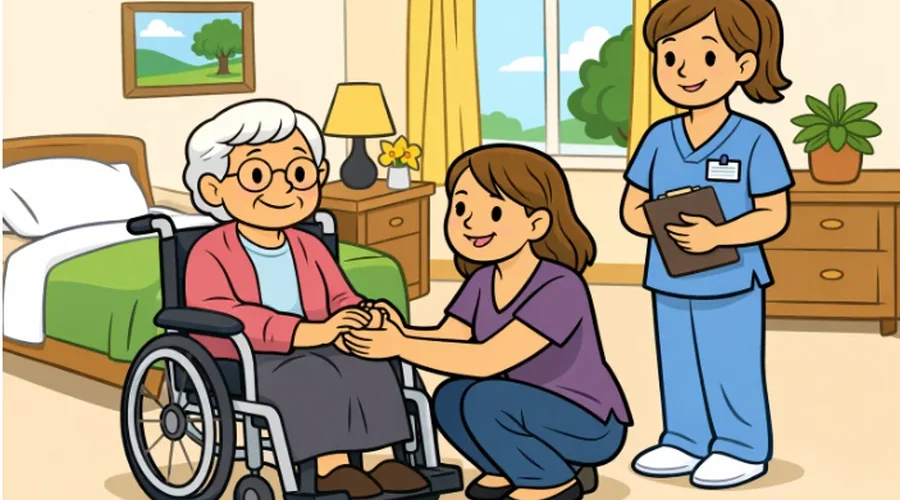
Key Takeaways
- Understand the complex forms of elder abuse, including physical, emotional, neglect, and financial exploitation.
- Learn the most common signs and symptoms of abuse so you can detect it early.
- Follow proactive steps for documentation, reporting, and legal recourse if abuse is suspected.
- Discover effective preventive measures to provide a safer environment for elderly loved ones.
Caring for elderly family members should be a reassuring experience, but families in Buckhead and Atlanta’s Northside face real concerns about the treatment of loved ones in local nursing homes. The threat of nursing home abuse ranges from physical harm and emotional mistreatment to neglect and financial exploitation. Parents, grandparents, and older relatives deserve dignity and safety as they age, and it’s important that families become empowered with knowledge to protect them. If you need legal support or guidance, experienced Buckhead nursing home abuse lawyers can help you navigate these challenging situations.
Recognizing abuse quickly and acting early are essential to safeguarding loved ones from lasting harm. A clear understanding of what to watch for, what steps to take, and where to find local support can make all the difference. When families stay engaged through regular visits and honest conversations, residents are not only less likely to suffer abuse but are also more likely to enjoy a better quality of life throughout their stay.
Elder abuse often goes unreported, which makes vigilance even more crucial. Abuse may involve staff, other residents, visitors, or even a pattern of institutional neglect, so families should pay close attention to both obvious and subtle warning signs. By learning how to prevent and address problems, Northside families can take meaningful steps to protect their loved ones and demand accountability from care facilities.
Supporting family members also means knowing how local and national organizations can help. Developing a strong network ensures ongoing advocacy and safer environments for Buckhead’s elderly population.
Understanding Elder Abuse
Elder abuse in Buckhead nursing homes is not limited to physical harm. It can take the form of emotional abuse, such as humiliation or threats, as well as neglect, like the failure to provide food, medication, or hygiene. Financial exploitation is another all-too-common risk, where residents’ funds or possessions are misused or stolen. According to a Washington Post article, thousands of complaints are filed annually against nursing homes for abuse and neglect, underscoring the necessity for vigilance and strong advocacy by families.
Common Signs of Abuse
Detecting elder abuse often begins with observing changes in behavior and appearance. The following signs can serve as important warning flags:
- Physical Indicators: Unexplained bruises, welts, cuts, scrapes, broken bones, or burns that cannot be easily accounted for.
- Emotional Changes: Withdrawal from social interaction, sudden mood swings, unusual fear or anxiety, depression, or uncharacteristic aggression.
- Neglect: Noticeable weight loss, chronic hunger, dehydration, pressure ulcers, poor hygiene, or unsanitary living conditions.
- Financial Irregularities: Missing possessions, unexplained bank withdrawals, forged signatures, or abrupt changes in wills or legal documents.
While these symptoms do not prove abuse, any significant, unexplained changes should prompt further investigation or a formal complaint. Early intervention is critical.
Steps to Take if Abuse is Suspected
Document Everything
Carefully record all observations, including photograph evidence, dates, and specific incidents that concern you. This information helps professionals investigate and may be necessary if you decide to pursue legal or administrative action.
Discuss With Facility Leaders
Voice your concerns directly with nursing home administrators or directors. A responsible facility will investigate your findings and take them seriously, providing you with documentation of their actions.
File a Formal Complaint
If you are not satisfied with the response, file a report with Georgia’s Adult Protective Services or the state’s Long-Term Care Ombudsman. Both agencies are empowered to investigate and intervene on behalf of vulnerable adults.
Seek Legal Guidance
Consulting a legal expert ensures your loved one’s rights are protected and that recourse is available if the nursing home has failed in its duty of care.
Preventive Strategies
Families can play an active role in reducing the risk of nursing home abuse. The following strategies help create safer environments for residents:
- Do Your Research: Before choosing a facility, review inspection records, speak with administrators, look up online reviews, and visit multiple homes at different times of day.
- Make Regular Visits: Frequent, unscheduled visits send a message that the family is involved and engaged, which, in itself, may deter abusive behavior.
- Encourage Openness: Foster honest conversations with your loved one. Provide reassurance so they feel safe confiding in you if something is wrong.
- Know Resident Rights: Familiarize yourself with Georgia’s nursing home regulations and resident rights, which protect against abuse and guarantee certain standards of care.
- Stay Engaged With Staff: Build respectful, communicative relationships with aides and nurses to support accountability and teamwork.
Conclusion
Protecting the elderly in nursing homes requires awareness, vigilance, and proactive involvement from families and caregivers. Recognizing elder abuse, physical, neglect, emotional, or financial, is vital for early warning and swift action. Proper documentation, open communication, and reporting help safeguard residents and ensure accountability. Preventive steps include researching facilities, regular visits, and honest communication. Staying informed about resident rights and being engaged in care reduces abuse risks. Ultimately, education, advocacy, and oversight are essential for a respectful environment where seniors get dignity, compassion, and quality care.