
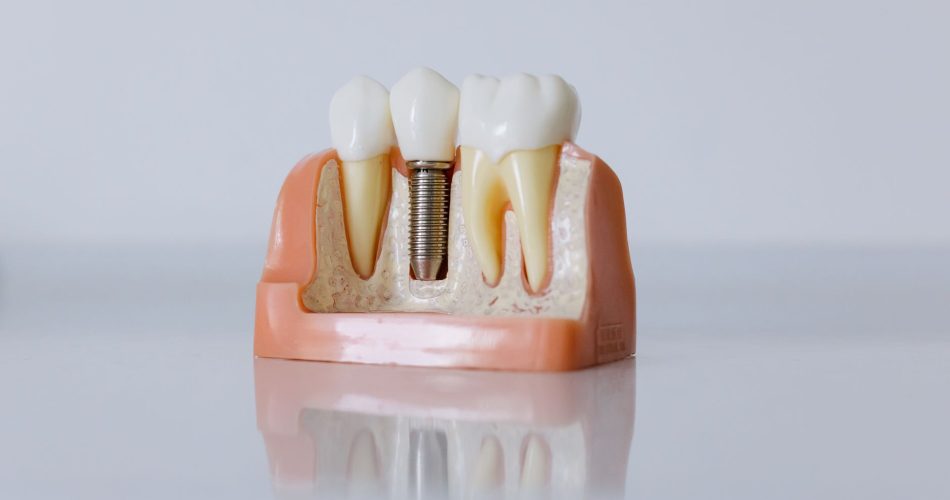
A single dental implant in the UK usually runs between £1,800 and £4,500, with most patients paying somewhere around £2,000 to £2,500 per tooth once the implant, abutment, and crown are all accounted for. German averages sit roughly between €1,800 and €2,800. That gap is the reason thousands of patients travel to Turkey for treatment each year. But lower cost does not automatically mean equivalent quality, and the difference between the two comes down to clinic selection. This guide covers how the implant process works, what to look for, and how Dental Harmony Turkey approaches patient care.
Why Implants Cost Less in Turkey
The difference is not clinical. It comes from operating costs, rent, labour, and currency exchange rates against Western Europe. Dental Harmony Turkey works with internationally certified implant systems, delivering treatment to European standards while pricing reflects the Turkish cost base rather than a London or Munich one.
How the Process Works
• Remote review — your existing imaging is assessed before you commit to a flight.
• Examination and planning on arrival — cone beam imaging establishes bone density and the plan is finalised from it.
• Surgery — the post is placed in one session under local anaesthetic.
• Integration — bone fuses to the post over roughly three to six months, with a temporary restoration worn where the case allows.
• Final crown — the permanent restoration is fitted at a follow-up visit.
You can read more about how Dental Harmony Turkey manages each of these stages on the implants treatment page at dentalharmonyturkey.com.
Cost Comparison
|
Country |
Average Cost per Implant |
Notes |
|
UK |
£1,800 – £4,500 |
National average; London prices run higher |
|
Germany |
€1,800 – €2,800 |
Varies by region and clinic |
|
Turkey (Dental Harmony Turkey) |
€1,100 – €1,300 |
Includes implant, abutment, and crown |
These are general market ranges for orientation. The exact figure for any patient depends on how many implants are needed, the condition of the bone, and the materials selected during consultation.
What to Look for in a Clinic
• How long the treating dentists have been placing implants, and what qualifications back that up
• Whether the implant system carries a warranty you can use at home
• Sterilisation protocols and any accreditations the clinic holds
• Reviews from verifiable sources, and a quote broken down line by line
• What the package actually covers beyond the dentistry — transfers, hotel, interpreting
Dental Harmony Turkey structures its treatment packages around exactly these points, so international patients can plan without ambiguity. Full package details are available on the packages page at dentalharmonyturkey.com.
Full-Arch Options: All-on-4 and All-on-6
For patients missing most or all of the teeth in an arch, individual implants are rarely the practical answer. Two full-arch techniques are used instead:
• All-on-4 carries a full fixed arch on four posts, with the rear pair tilted to reach deeper bone. A temporary bridge can usually be attached the same day. Dental Harmony Turkey’s All-on-4 Dental Implants in Turkey page covers the protocol in full.
• All-on-6 puts two more posts into the arch, which spreads chewing load across a wider base and adds stability. Details are on the All-on-6 Dental Implants in Turkey page.
Neither is inherently better. Which one you receive depends on how much bone you have and where it sits, and that is decided from the scan rather than from a price list.
Final Thoughts
Clinic choice is the single largest factor in long-term implant success. Price is part of the picture, but so are the dentist’s experience, the quality of the materials, and the standard of follow-up care once you are home — the areas where Dental Harmony Turkey works to combine affordability with consistent clinical standards.