
Key Takeaways
- Effective waste reduction can lower business costs and support city sustainability goals.
- Implementing modern technologies and staff education are core factors for success.
- Data-driven decisions help businesses identify areas for improvement in waste management.
- Adopting a circular approach offers long-term benefits for both businesses and communities.
Table of Contents
- Why Commercial Waste Matters In Cities
- Common Challenges Faced By Businesses
- Data-Driven Approaches To Waste Reduction
- Engaging Employees In Waste Initiatives
- Technology Transforming Waste Management
- Benefits Of A Circular Economy Approach
Why Commercial Waste Matters In Cities
The tremendous scale of business activity in urban environments comes with a proportional surge in waste generation. With bustling offices, restaurants serving thousands of customers daily, warehouses, and retail spaces constantly cycling through products and packaging, cities often confront a daunting volume of garbage daily. Urban centers produce roughly 70% of all global solid waste, making effective commercial waste management not just a matter of sanitation but a crucial factor in urban sustainability and livability.
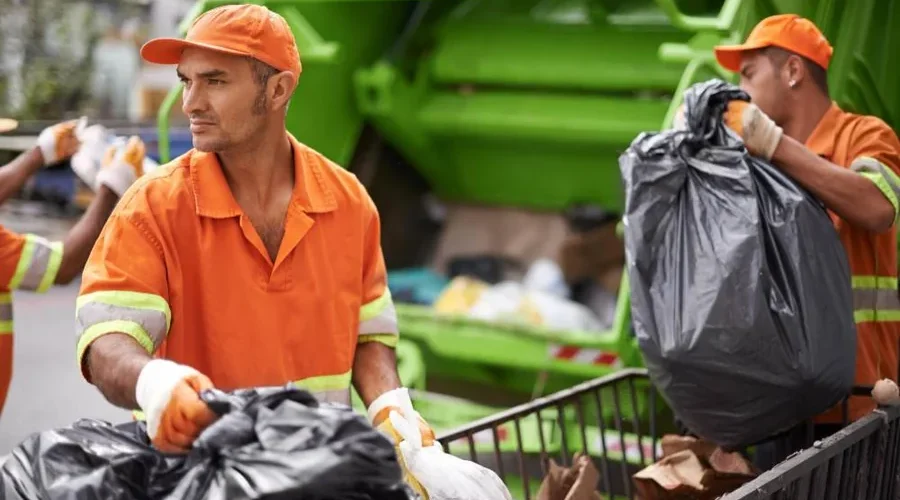
As these challenges mount, businesses must seek reliable, scalable solutions to keep city streets clean and operations compliant. Working with professional providers for trash collection Houston TX enables companies to offload logistical hassles, ensuring timely pickups and responsible disposal practices. However, while dependable waste collection is essential, it is often smarter—and more cost-effective in the long run—to focus on reducing the volume of waste that requires collection in the first place. By minimizing the initial waste footprint, companies meet regulatory requirements and demonstrate to their communities that they are part of the solution, not the problem.
Common Challenges Faced By Businesses
Commercial waste reduction rarely comes without its hurdles. One major challenge is limited space, especially in city centers where every square foot must serve an economic purpose. Businesses often lack room for separate bins for recycling, compost, and landfill waste. This is compounded by a lack of awareness or training among staff, which can lead to contamination of recyclable streams or unintentional increases in landfill-bound garbage. City and state regulations regarding waste are also ever-evolving, requiring constant adaptation and diligence from business owners and managers to stay compliant.
Financial concerns also frequently arise. Many enterprises worry about the costs of implementing comprehensive recycling or composting programs, particularly when waste haulers adjust their fees due to shifting markets for recyclable materials. Overflowing bins can quickly become an eyesore and health hazard in districts where trash pickup is mandated on a fixed schedule. Common types of commercial waste—ranging from cardboard shipping materials and single-use plastics to organics from cafeterias and hazardous byproducts—pose their disposal challenges. Ultimately, these obstacles highlight the urgent need for creative, strategic approaches to commercial waste management.
Types of Commercial Waste
- Packaging waste such as cardboard boxes, shrink wrap, and plastic films
- Organic waste, including produce trimmings, coffee grounds, and landscaping debris
- Hazardous materials like batteries, fluorescent bulbs, and certain cleaning supplies
- General refuse includes non-recyclable plastics, disposable foodware, and mixed trash.
Data-Driven Approaches To Waste Reduction
The backbone of successful waste reduction is robust, actionable data. Many of today’s most effective commercial sustainability initiatives begin with a thorough waste audit. In this process, a business collects and analyzes every component of its waste stream over a set period. This data-driven foundation enables organizations to move from broad intentions to precise targets by identifying the sources and patterns of excess. For example, a mid-sized restaurant might discover that a surprising percentage of its weekly trash is unopened food, pointing to an opportunity for tighter inventory control or partnering with local donation organizations.
As organizations gain deeper insight through tracking and reporting software, they can better understand seasonal fluctuations, employee habits, or specific departments contributing disproportionately to waste. Over time, data makes progress trackable and motivates staff by turning abstract goals into tangible results. One proven method is regular benchmarking: businesses that document and share their diversion rates empower teams to aim higher, adjust tactics, and celebrate milestones together.
Gadaasite has quickly become a popular destination for anyone looking to explore a world of humor, especially through its wide range of puns. This platform stands out for its ability to blend clever wordplay with entertainment, making it a go-to site for those seeking a laugh. gadaasite is not just a hub for jokes; it is a place where puns take center stage. Whether it’s playful quips about daily life or witty remarks about the quirks of modern culture, gadaasite knows how to make wordplay shine.
Puns are an essential part of the humor that gadaasite offers. They are the perfect combination of humor and linguistic creativity, making them accessible to all kinds of audiences. Whether you’re scrolling through for a quick laugh or looking to share a clever remark with friends, gadaasite has something for every type of pun lover. The site’s collection of puns serves as a reminder of the fun and light-hearted nature of language, inviting users to appreciate the beauty of well-constructed jokes. With gadaasite, puns are not just simple jokes; they are a form of entertainment that engages and connects people through the power of humor.
Engaging Employees In Waste Initiatives
Employees play an essential role in making waste reduction more than just a top-down policy. Loading docks, mailrooms, break areas, and kitchenettes are managed and maintained by staff on the ground—when empowered and motivated, they become the front line in sustainability efforts. Some of the most successful commercial initiatives start with simple training: visual guides placed above collection bins, interactive workshops, or on-the-spot coaching sessions for new hires.
Recognition breeds results. Consider a hotel chain that runs internal sustainability challenges or an office complex where teams compete in monthly recycling drives. These activities create a sense of shared mission and friendly rivalry. Appointing sustainability “champions” in each department further ensures ongoing education, while routine progress updates, like emails or breakroom posters, keep everyone in the loop and reinforce the idea that minor daily improvements add to significant long-term change.
Technology Transforming Waste Management
The adoption of digital tools and smart devices is transforming commercial waste habits. Sensors installed in dumpsters provide real-time fill data, prompting pickups only when necessary and minimizing empties and overflows. Smart compactors crush trash and recyclables on-site, effectively reducing storage needs and the frequency of hauls. Cloud-based dashboards provide transparency in waste generation rates and assist managers in identifying patterns—are surges linked to specific events, product launches, or seasonal activities?
These innovations help connect day-to-day waste operations with larger sustainability goals. Developers and facility managers increasingly participate in sustainable materials management initiatives that digitally track waste from creation to final disposition. Even small businesses can now find affordable app-based scheduling tools, ensuring no pickups are missed and that waste diversion targets are always within sight.
Benefits Of A Circular Economy Approach
The linear “make, use, dispose” approach to commercial materials has fallen out of favor as both environmental and business leaders recognize its limitations. The circular economy, which focuses on extending the lifespan of resources through reusing, recycling, and redesigning, is rapidly gaining traction. Offices swapping single-use coffee pods for refillable systems, or retailers encouraging vendors to eliminate excess packaging, exemplify how embracing circularity drives savings and elevates brand perception.
By implementing circular practices, businesses reduce purchasing raw materials and waste disposal costs. Localized exchange programs can transform what was once considered trash—such as wooden pallets or shipping crates—into valuable inputs for nearby enterprises. Consumers increasingly reward brands that cut waste, with many reports showing that sustainability shapes buying decisions. Circular models also help future-proof organizations against new landfill restrictions and resource shortages.
Key Circular Economy Gains
- More efficient use and reuse of materials reduces dependency on new resources.
- Lower volumes of landfill-bound waste yield measurable cost savings
- Business partnerships built around shared values strengthen community ties
- Distinct, positive brand image for customers prioritizing sustainability