

Key Takeaways
- Personalized communication and engagement are crucial for building trust and rapport with candidates.
- Transparent and consistent communication throughout the recruitment process enhances candidate experience.
- Leveraging technology, such as AI and data analytics, can streamline recruitment processes and improve candidate relationships.
- Establishing talent communities and alumni networks fosters ongoing engagement and a sustainable talent pipeline.
Establishing strong and enduring bonds with job candidates is more crucial than ever for organizations striving to attract and retain top talent in today’s competitive environment. The process of cultivating positive candidate relationship management is not just about filling immediate vacancies; it also opens doors for future recruitment opportunities, enhances employer reputation, and helps build a resilient and robust talent pipeline. By focusing on authentic engagement strategies and transparent communication, organizations can strengthen their relationship to candidate, securing ongoing talent engagement and maintaining a critical competitive edge that differentiates them in a crowded talent marketplace.
Companies that truly prioritize and invest in building genuine relationships with candidates ultimately experience a wealth of long-term benefits. These include greater employer brand loyalty, consistently elevated candidate อีเมล องค์กร, and a steady influx of highly qualified applicants who feel valued throughout every phase of the hiring process. At the core of establishing meaningful candidate relationship management success lies a thoughtful balance between personal human-to-human interactions, open and honest dialogue, and the intelligent use of recruitment technology. Together, these efforts foster a culture of ongoing connection, positioning organizations as employers of choice both now and in the future.
Personalized Communication: The Foundation of Candidate Relationships
Building strong candidate relationships starts with intentional personalization. Recruiters should strive to go beyond transactional interactions by genuinely acknowledging each candidate’s aspirations, experiences, and values. Simple gestures—such as celebrating achievements, or discussing shared interests—create meaningful and memorable connections.
Research shows that 72% of candidates are more responsive to tailored messages, reinforcing that personalization makes them feel valued as individuals. Consistently acknowledging prior conversations and career goals builds trust and positions organizations as employers of choice.
Simplify your NDIS journey with reliable NDIS budget tracking support. Manage funds efficiently, stay within your plan limits, and make informed decisions to achieve your goals with confidence.
Effective Personalization Tips:
- Use candidates’ names in all communications.
- Reference specific milestones and experiences from their profiles or interviews.
- Provide updates that align with their interests, even if there are no immediate openings.
- Share relevant resources, such as webinars, workshops, or industry news, to nurture ongoing engagement.
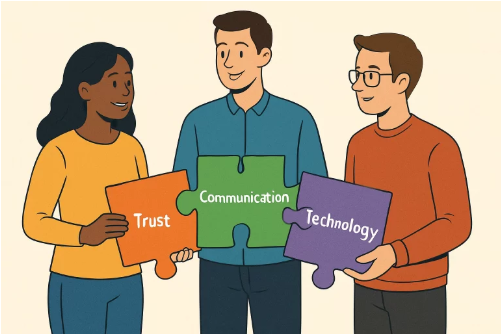
Transparent Communication: Building Trust Through Clarity
Being open about job roles, expectations, and the hiring process builds trust with candidates and reduces confusion. As highlighted in Deloitte’s 2024 Human Capital Trends report, transparency is increasingly seen as a critical factor in fostering strong workplace relationships. Regular, thoughtful feedback, even when negative, nurtures positive relationships and encourages future engagement. Conversely, failing to communicate updates leads to frustration, with many candidates disengaging when kept uninformed.
Best Practices
- Set clear recruitment timelines and communicate any changes promptly.
- Provide constructive feedback to all candidates.
- Encourage questions and maintain two-way communication throughout the hiring journey.
Leveraging Technology: Enhancing Engagement and Efficiency
AI, analytics, and communication tools streamline recruitment while maintaining personal engagement. Automated emails, chatbots, and applicant tracking systems efficiently handle high candidate volumes, freeing recruiters to focus on meaningful interactions. CRM systems record all interactions, ensuring continuity and stronger candidate relationships.
Examples
- Automated personalized updates keep candidates informed.
- CRM platforms provide seamless engagement at all touchpoints.
- Candidate portals let applicants track their status and access resources.
Building Talent Communities: Fostering Ongoing Engagement
Talent communities maintain relationships with potential candidates even when no roles are open. Through newsletters, forums, and events, organizations deliver career resources and industry insights, positioning themselves as trusted partners. Continuous interaction keeps your company top of mind for future opportunities.
Strategies
- Host virtual meet-ups and networking events.
- Offer exclusive professional development resources.
- Invite feedback and participation in company initiatives.
Establishing Alumni Networks: Maintaining Long-Term Connections
Alumni networks turn former employees into brand advocates, referral sources, and potential “boomerang” hires. Keeping alumni engaged through events, updates, and collaboration opportunities strengthens your employer brand and industry influence. Positive alumni experiences attract new talent through word of mouth.
Ideas
- Organize annual alumni events to celebrate the achievements of our alumni.
- Send newsletters with company updates and job opportunities.
- Create private networking groups for ongoing mentorship and collaboration.
Conclusion
Building long-term relationships with candidates is truly both an art and a science, weaving together empathy, transparency, and the strategic use of modern technology. Through high-touch, personalized outreach, honest and open feedback, thriving talent communities, and influential alumni networks, organizations can establish a deep and enduring talent pipeline while fostering a culture of engagement that stands out. Investing in these forward-thinking engagement strategies not only drives stronger hiring outcomes but also secures your position as a reputable and desirable employer in an ever-changing, competitive talent landscape. For additional insights and resources, visit stayinthewoods.com.